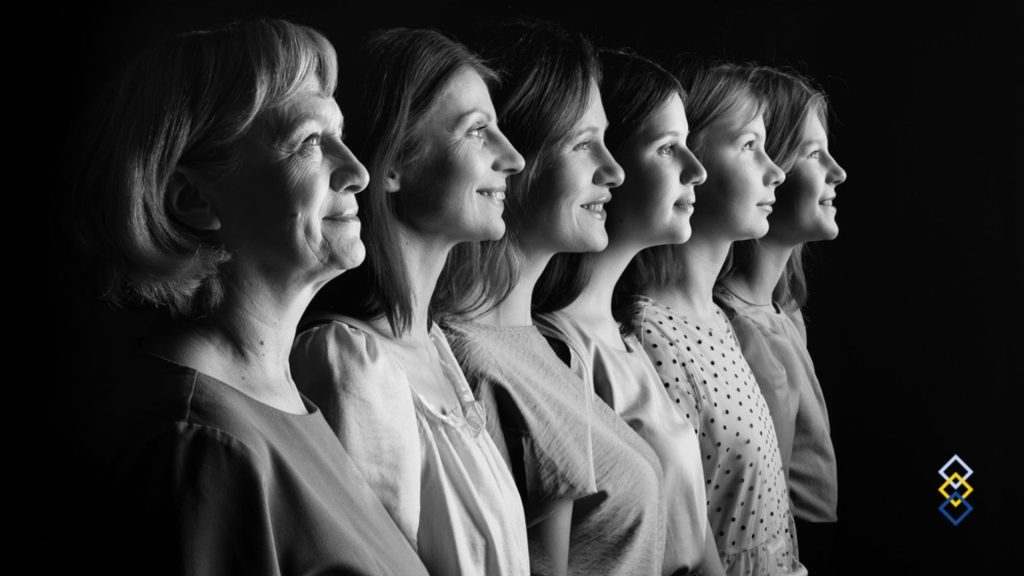
Philanthropy in the United States is experiencing a significant shift in generational giving and technology. Once driven by institutional trust, mailed checks, and a small group of wealthy donors, giving now shows a more diverse and digitally connected society. Religious donations have dropped from over half of all contributions in 1980 to less than 27% today, while mobile apps, crowdfunding, and donor‑advised funds have expanded participation.
A looming transfer of $68‑$84 trillion in wealth to Millennials, alongside rapid growth in ethnic diversity and women’s economic power, will reshape where, how, and why Americans give.
Each generation contributes unique values and behaviors to philanthropy. The Silent Generation prefers legacy gifts that support trusted institutions, while Baby Boomers—who still provide the largest share of charitable donations—look for measurable results and regular updates. Gen X balances skepticism with consistent support for a few causes, and Millennials prioritize mission alignment, digital ease, and peer-to-peer engagement.
Gen Z takes this a step further by combining relentless online research with activism and calls for authenticity, while the still-emerging Gen Alpha is being raised to see giving as an interactive, tech-infused norm.
Looking ahead, AI‑driven personalization, shared digital wallets, community‑centered crowdfunding, and gamified donation experiences are converging to meet donors’ expectations for speed, transparency, and impact.
From climate philanthropy to real-time blockchain tracking, the tools of tomorrow aim to connect intention with action more smoothly than ever. For nonprofits, the goal is clear: listen to each group, use technology wisely, and remember that behind every gift is a human story—and a shared hope for a more generous, resilient world. Let’s dive deeper into these numbers.
Charitable Giving Demographics: How Numbers and People Have Evolved

Philanthropy reflects the world around it. As American society grows more diverse, urbanized, and digitally connected, charitable giving demographics are shifting in ways that are too big to ignore. These shifts aren’t just surface-level. They run deep, influencing why people give, how they give, when they give, and to whom.
Historically, charitable giving in the U.S. was dominated by institutional trust and personal obligation. Churches, schools, and hospitals were the go-to beneficiaries, and most donations came through mail, in-person events, or payroll deductions. Philanthropy was largely relationship-driven, with community leaders and legacy donors fueling local impact.
Throughout the mid-20th century, most giving came from the wealthier tiers of society, and it was common to donate to the same handful of organizations for decades. Religious giving, in particular, was a cornerstone—in 1980, religious institutions received 56% of all charitable donations in the U.S. Today, that number has dropped below 27%.
The landscape began to shift in the 1990s and early 2000s, as tax incentives encouraged strategic giving, donor-advised funds (DAFs) gained popularity, and nonprofit marketing went digital.
The 2010s saw an explosion in mobile giving, crowdfunding, and values-based donations—especially as social movements gained traction online. Then came 2020: a global pandemic, renewed attention on racial justice, and a surge in mutual aid efforts that upended traditional models of philanthropy.
The Numbers Behind Today’s Donors
According to a recent analysis, the next 25 years will bring a massive wealth transfer of $68 to $84 trillion, mostly to Millennials, signaling a significant shift in generational power.
Millennials, who currently own 10.3% of U.S. wealth, are poised to become major players in philanthropy over the next two decades. The impact will be cultural, technological, and strategic.
At the same time, the U.S. population is growing older, more diverse, and more digitally native. Let’s break down a few major demographic shifts reshaping the philanthropic landscape:
- Ethnic diversity is increasing rapidly. Latino communities saw the largest growth from 2010 to 2020, and 13.7% of Americans are now foreign-born. This means charitable causes must communicate across languages, values, and cultural contexts.
- Multiracial identities are rising: In 2020, 33.8 million people identified as two or more races, accounting for over 10% of the population.
- Religious affiliation is declining. In 2020, for the first time in U.S. history, fewer than half of Americans belonged to a church, synagogue, or mosque. This has direct implications, as religious giving continues to shrink in both total dollars and frequency.
- Women now control 32% of global wealth, and their financial influence is only growing. With more education and career advancement, women’s role in philanthropy—both as donors and nonprofit leaders—is expanding fast.
Just as demographics are changing, so are the tools. Today’s donors swipe, click, and tap to give. This has major implications for community foundations and nonprofits. Traditional annual appeals and gala fundraisers still have a place, but if you’re not also offering flexible digital options, you’re leaving money on the table—and likely missing a generation of donors.
The future of generational giving depends on how well organizations listen and adapt. To do this, it’s crucial to understand how each generation gives in its own way.
Join us in shaping a better tomorrow for Miami County. Your support is more than just a donation. It’s an investment in our community.
Millennials and Philanthropy: How Each Generation Gives Differently

Much has been written about Millennials and philanthropy—and for good reason. They’ve challenged traditional fundraising, embraced social impact as a lifestyle, and helped normalize digital giving. But while Millennials may be leading the conversation around modern giving, they’re far from the only generation shaping philanthropy today.
To fully understand where giving is headed, we need to step back and examine generational giving as a whole. Each cohort—from the Silent Generation to Gen Alpha—brings its own motivations, tools, and expectations to the table. These differences don’t just reflect personal preferences; they signal larger cultural, technological, and economic forces at play.
Let’s break down the unique giving behaviors, values, and patterns of every age group, drawing from the latest research on charitable giving demographics and generational giving trends. And if you’re wondering which generation gives the most to charity, we’ll answer that too.
1. The Silent Generation (1925–1945)
Born before World War II and shaped by austerity, the Silent Generation gave from a place of loyalty, stability, and long-term trust. Their form of philanthropy was grounded in relationships—supporting churches, schools, and civic institutions. Giving was consistent, habit‑driven, and often anonymous, reflecting stewardship more than visibility.
- They favored legacy giving, often through bequests and endowments.
- Most donations were made in person, by check, or through traditional events.
- Their giving reinforced institutions rather than individuals or movements.
The Silent Generation forms the backbone of early charitable giving demographics—representing an era when philanthropy meant continuity. Their influence laid the foundation for patterns later generations would adapt or reject.
2. Baby Boomers (1946–1964)
If you were wondering which generation gives the most to charity, it’s the Boomers. According to recent data, Baby Boomers account for nearly 43% of all philanthropic dollars, averaging around $1,212 per person annually and outpacing every other cohort.
Boomers give with both heart and strategy. While they value the causes you’ve supported for decades, many Boomers are also embracing donor-advised funds, planned giving, and capital campaigns. They want your donations to be smart, lasting, and aligned with your values.
Transparency matters for them, a lot. They expect clear updates, measurable outcomes, and genuine stories about how their support helps real people. That’s why many Boomers follow nonprofits on Facebook, subscribe to email newsletters, and prefer regular communication—not just donation asks.
3. Generation X (1965–1980)
Considered the bridge between Boomers and Millennials, Gen X is pragmatic and skeptical of institutions. Their experiences—from economic recessions to corporate scandals—influenced a more independent approach to giving.
- Approximately 59% of Gen Xers give to charity, averaging $732 annually, and support around four charities each year.
- They value flexibility—volunteering, grants, and periodic giving over long-term pledges.
- They are tech‑comfortable but not obsessed with platforms, they lean toward email, social media, and online giving tools.
Gen X may not give the most in absolute dollars, but they give consistently and thoughtfully, forming a stabilizing layer in the evolving philanthropic landscape.
4. Millennials (1981–1996)
At the heart of our exploration of millennials and philanthropy lies a generation reshaping giving norms—and now surpassing Gen X in charity contributions.
Now in their late 20s to early 40s, Millennials comprise a significant part of today’s donor base—and they give with purpose. According to the Millennial Impact Report, 72% donate to charity, averaging $481 annually, and 70% volunteer their time.
Millennials are drawn to causes that align with their values: youth, education, health, and environmental sustainability. They also strongly prefer supporting local causes, with 60% focusing on community impact.
To connect with this generation, nonprofits should prioritize robust digital infrastructure, genuine storytelling, and transparent impact metrics. Millennials look for updates, not just requests. Peer-to-peer fundraising, adaptable volunteer options, and values-driven campaigns are particularly impactful.
When thinking of generational giving, Millennials are both generous and highly engaged. Organizations that align with their values—and speak their digital language—can build lasting relationships that go beyond the donation form.
5. Gen Z (1997–2012)
Generation Z is quickly becoming a major influence in charitable giving. Tech-savvy, socially conscious, and values-driven, Gen Z donors expect more from nonprofits — and they won’t hesitate to walk away if those expectations aren’t met.
While still early in their careers, Zoomers made an average of 5.3 donations in 2022, outpacing both Millennials and Gen X. But it’s not just about volume—it’s about intention.
What defines Gen Z giving?
- They research everything. A squeaky-clean track record and transparent reporting are essential.
- They live online. Crowdfunding, social media, and mobile-optimized platforms are their go-tos.
- They demand authenticity. Guilt-based appeals won’t work. Clear missions and real impact do.
- They care deeply about social issues: racial justice, mental health, LGBTQ+ rights, and climate change.
- They want proof. 70% are motivated by impact reports with measurable results.
Gen Z expects nonprofits to reflect their values—such as inclusion, transparency, and passion—and they reward those who do. Although their income may be limited now, their long-term impact on the sector is significant.
6. Gen Alpha (2013–Today)
Generation Alpha might still be in grade school, but their philanthropic potential is enormous. As the first true digital natives—born entirely in the 21st century—they’re growing up with instant access to global information, climate urgency, and social justice stories woven into everyday life.
Alphas are already showing signs of tech-fueled altruism, thanks to socially conscious Millennial and Gen Z parents. They’re learning the value of giving early through family conversations, school programs, and immersive tools like gamified donations, VR experiences, and social media storytelling.
To prepare for this rising generation, nonprofits must adapt:
- Mobile-first giving and interactive fundraising are non-negotiables.
- Gamification, AR/VR, and AI can engage Alpha minds in playful, educational ways.
- Family and classroom partnerships can foster early giving habits.
Alphas also expect transparency, instant feedback, and digital fluency. They want virtual volunteering opportunities, support for their passion projects, and a seat at the table through youth boards or mentorships.
The window to shape Generation Alpha’s charitable habits is now. Cultivating empathy and engagement today ensures a generation of lifelong, tech-savvy givers tomorrow.
| Generation | Who Gives Most? | Engagement Style | Key Traits & Values |
| Silent | Legacy-driven donations | Checks, traditions, institutions | Loyal, discreet, stewardship-focused |
| Baby Boomers | ~43% of all giving | Cards, donor-advised funds, capital gifts | Trust in structure, transparency, personal updates |
| Gen X | Moderate & consistent | Email, social media, grants, volunteering | Independent, flexible, community-minded |
| Millennials | High involvement | Online/mobile giving, peer campaigns | Cause-driven, digitally engaged, values-first |
| Gen Z | Most frequent donors | Crowdfunding, social media, research-heavy | Activism-oriented, authenticity-demanding, informed |
| Gen Alpha | Emerging potential | Family/gamified giving, educational tools | Tech-native, globally aware, socially conscious |
Understanding generational giving isn’t just about comparing statistics but more about recognizing the evolving relationship between people and philanthropy. Each generation brings its own voice, values, and expectations, reshaping the way we give and engage.
From the institutional loyalty of the Silent Generation to the tech-powered activism of Gen Z and the potential of Gen Alpha, these shifts highlight a critical truth: the future of giving will be defined by those who adapt.
As we look ahead, the next phase of this evolution is already underway—driven by technology, innovation, and a demand for deeper connection. So, what tools are shaping this next wave of generosity?
From AI to Shared Wallets: Tomorrow’s Tools for Today’s Donors
As philanthropy evolves, technology and culture are reshaping how and why people give. Intergenerational collaboration is emerging alongside breakthroughs in tools like AI, digital wallets, crowdfunding, and gamified experiences. These innovations are fundamental shifts:
- AI and data-driven philanthropy: Artificial intelligence is already transforming charitable engagement by enabling smarter, more strategic giving. AI tools analyze donor behaviors, forecast giving trends, and personalize outreach for stronger matches. Donors can now receive tailored messages, suggested giving levels, and data-driven dashboards that reflect impact within minutes. This helps nonprofits improve efficiency and build genuine connections.
- Digital wallets and shared giving options: Digital wallets—such as Apple Pay, Venmo, Google Pay, and PayPal have quickly become mainstream among donors. Last year, digital wallets became the third most popular giving method, even surpassing checks. Donors crave simplicity: reducing friction drives repeat giving. Shared giving tools—like philanthropy-as-a-service platforms—allow groups, families, or organizations to pool funds while maintaining transparency and ease. Think of it as a “shared wallet,” where multiple contributors can participate in a grant or gift with full visibility.
- Crowdfunding and community-focused campaigns: Crowdfunding platforms democratize giving by allowing donors of all sizes to support specific, inspiring projects. Success depends on human connection: campaigns that provide timely recognition and impact updates keep donors engaged longer. Younger donors especially appreciate community-driven models. Cross-generational initiatives, where Boomers, Gen Xers, Millennials, and Gen Z work together on local projects, increase impact and foster a sense of belonging.
- Gamification, storytelling, and transparency: Modern donors are increasingly expecting engaging, interactive experiences. Gamified paths—such as unlocking milestones, revealing stories, or using visual progress trackers—add excitement and emotion to giving. Platforms that incorporate these features enhance donor retention and motivate ongoing participation. Transparency remains essential across all generations. Blockchain-based donation tracking tools and trust-driven philanthropic models enable donors to see exactly where their money goes in real time, building confidence and encouraging long-term support.
- Climate philanthropy and values-driven giving: Focused climate donations are gaining momentum. Climate philanthropy increased by 20% over the past two years, with foundation support reaching a record $4.8 billion—nearly tripling the amount from four years ago. Donors—especially Millennials and Gen Z—prioritize climate resilience, environmental justice, and clean energy, aligning their giving with broader social and racial equity goals.
The tools shaping tomorrow’s giving are both digital conveniences and cultural connectors.
Today’s donors expect quick responses, transparency, and clear purpose. As generations unite around shared values like climate action, equity, and impact, technology becomes the bridge—not just connecting people and causes, but turning intention into action.
Every generation can use the same check before giving: the charity watchdogs and what they measure. For a sector view, see ten impactful education nonprofits, and for Miami County, funds that support local causes.
Generational Giving: What the Future Demands from All of Us

At its core, generational giving is more than trends or technologies; it’s about people. It’s about how each age group chooses to engage with their communities, and how those choices evolve as culture, technology, and values shift.
It all began with handwritten checks and has evolved into shared digital wallets, but the goal remains the same: to support the community in every way we can.
Each generation has contributed something vital to the philanthropic landscape, demonstrating that the future isn’t owned by one group but belongs to all of us—working together, learning from each other, and giving in ways that reflect both our history and our future.
The call is clear: understanding where donors are, what tools they trust and what causes they care about. Centering values while embracing innovation. And never forgetting that behind every donation is a human story, and a shared hope for something better.
When it comes to building a more generous, resilient world, every generation matters. And every gift moves us forward.
Are you interested in learning more or contributing to our cause? Reach out with any questions you may have. With just one click, you can transform lives. Your donation has the power to create a significant change.